Tutorial14 min read
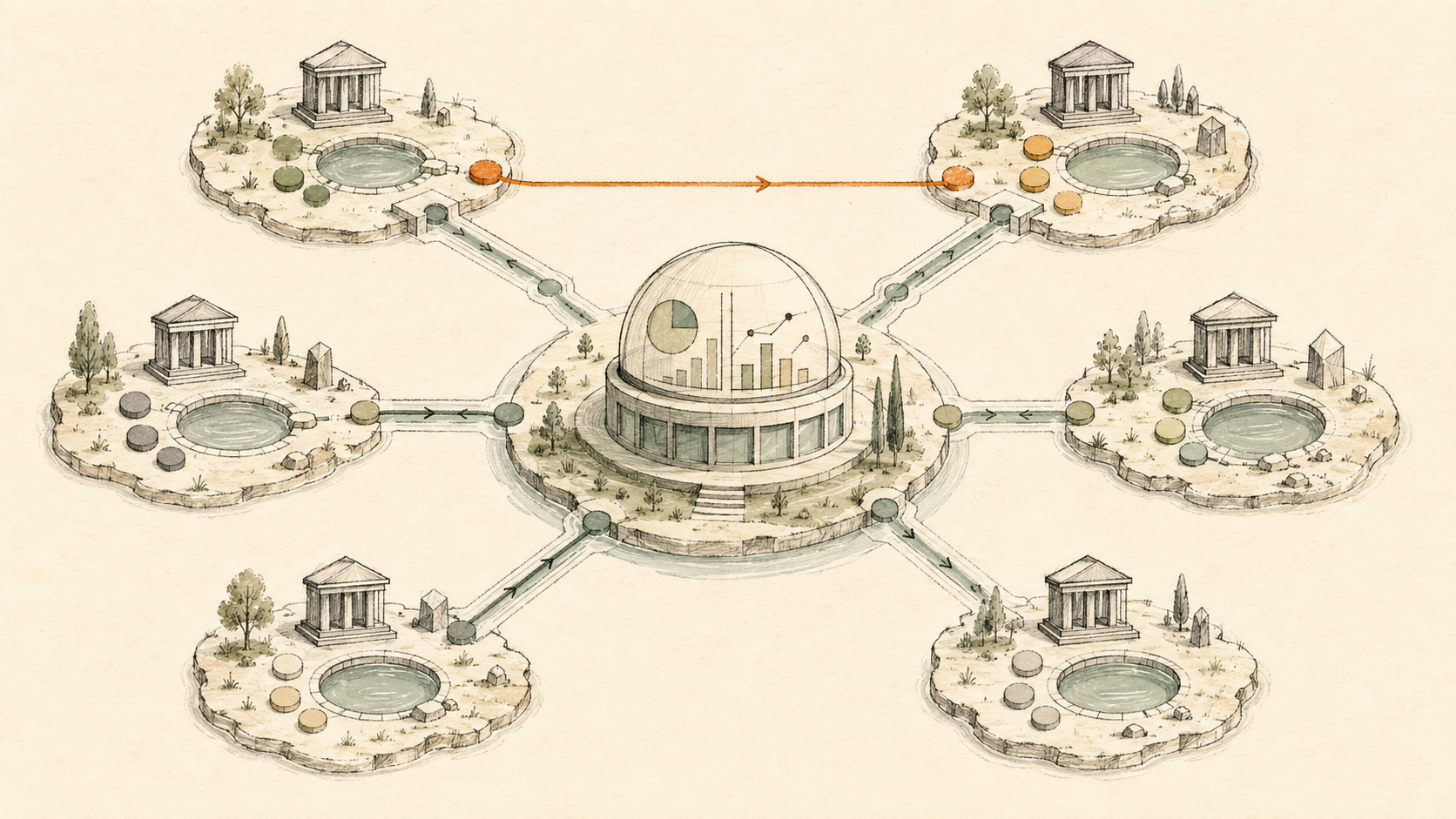
How to Build a Multi-Entity Treasury Dashboard
Build a group cash dashboard across legal entities while preserving ownership, currencies, restrictions and intercompany transfers.
Read guideThe BankSync field notes
Clear guides for connecting bank data, automating busywork, and building financial workflows that stay current.
Build a group cash dashboard across legal entities while preserving ownership, currencies, restrictions and intercompany transfers.
Read guide
Create explainable alerts for large payments, new merchants, amount spikes, bursts and stale financial feeds.
Read guide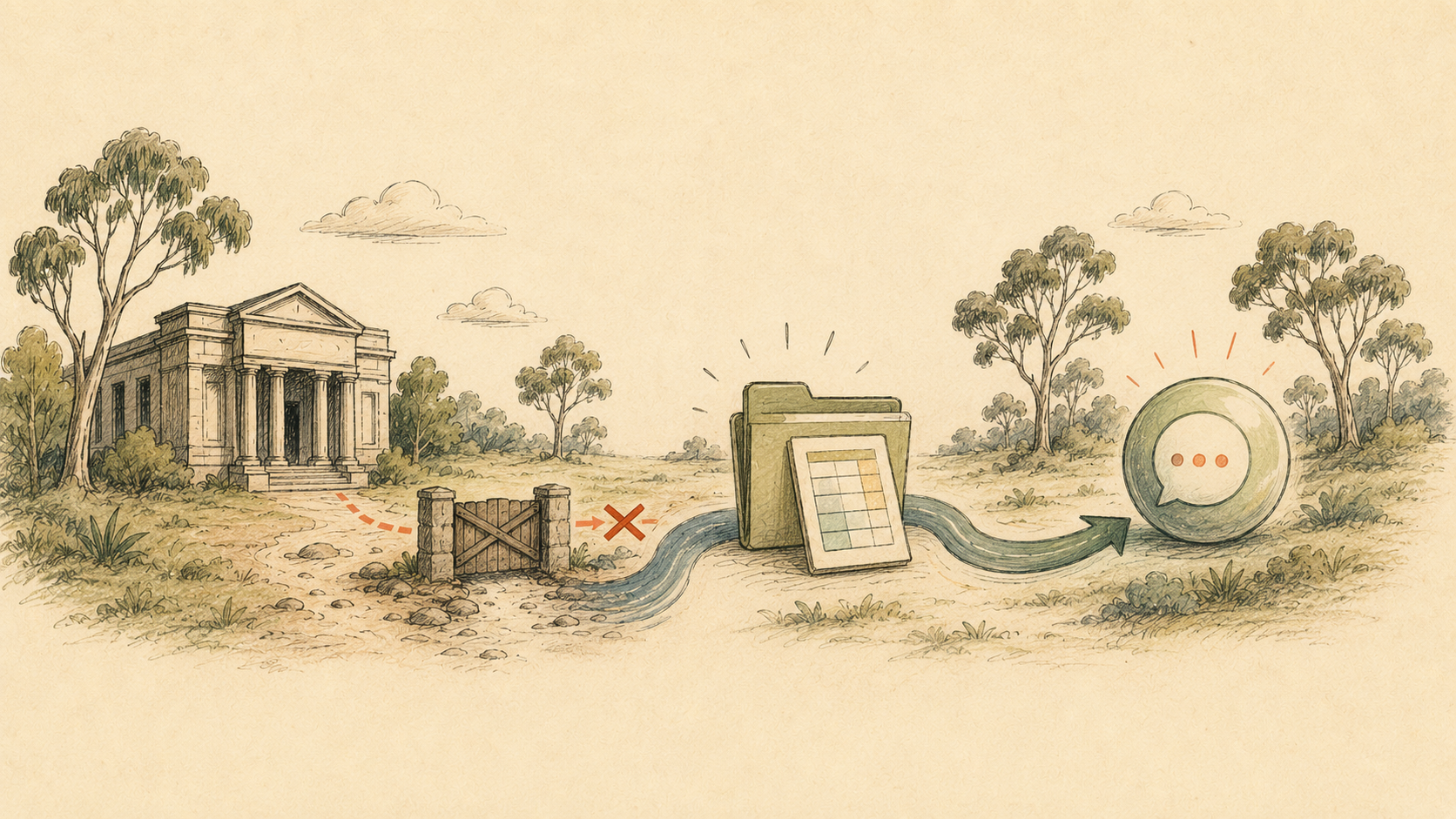
ChatGPT Finances is not available for Australian banks, and BankSync CDR data is not exposed through MCP. Use the supported destination-based analysis route.
Read guide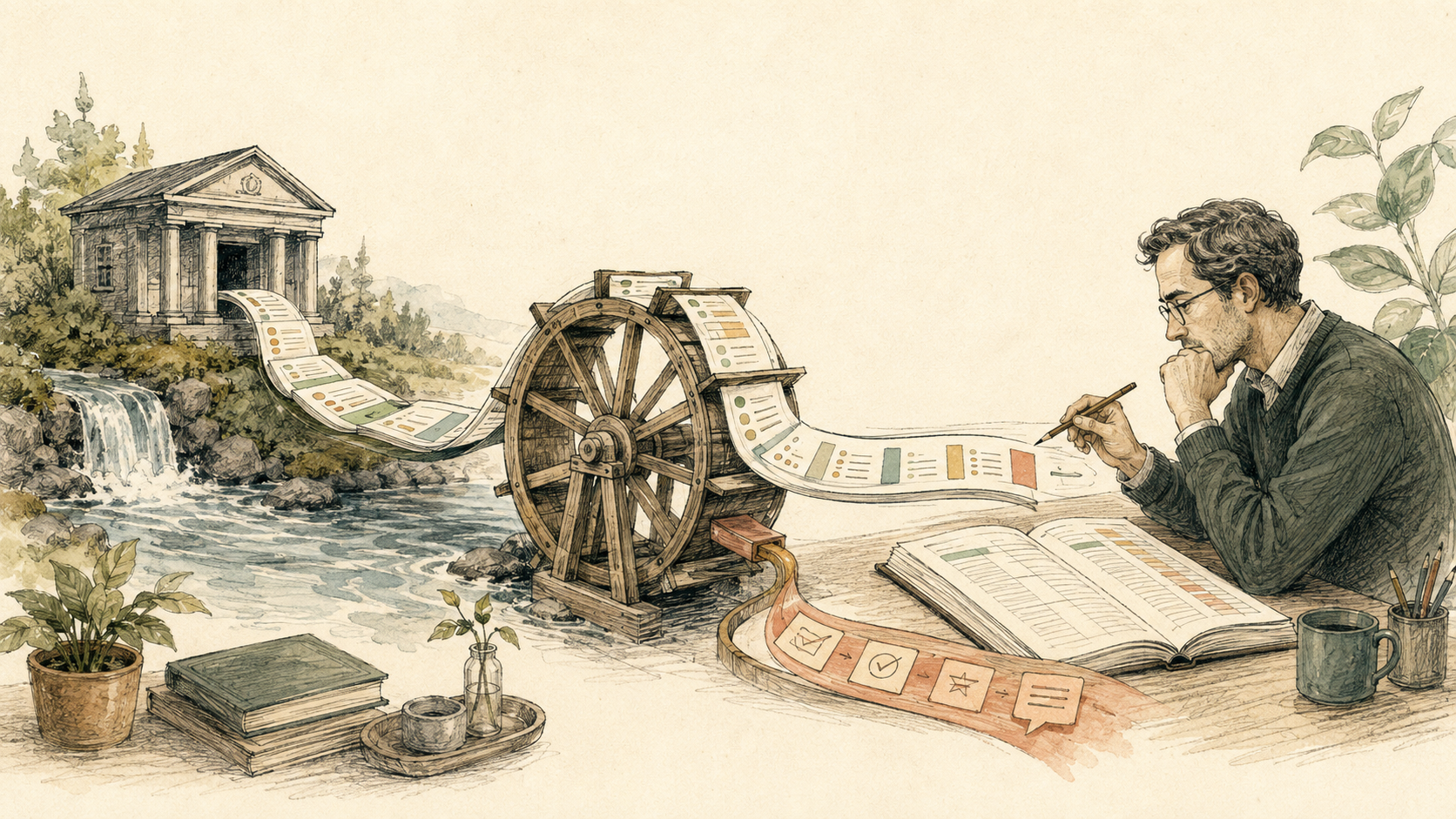
Set up a shared Google Sheet that receives scheduled bank transactions, gives your accountant controlled access and keeps review notes separate from source data.
Read guide
Build a Google Sheets cash-flow tracker that combines automatically synced bank transactions with a 13-week forecast, low-cash alerts and a practical weekly review.
Read guide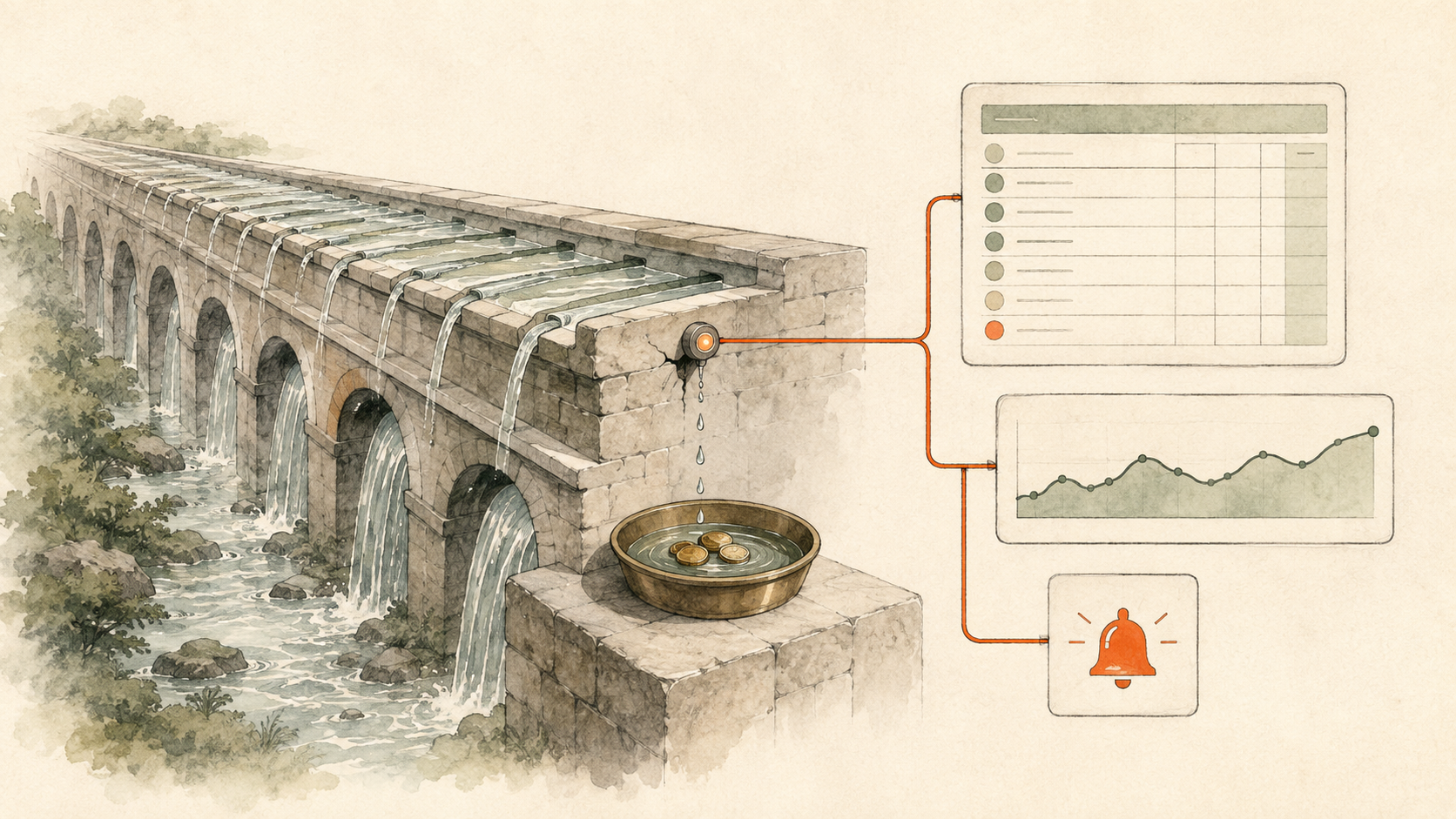
Build a bank fee tracker that classifies service charges, watches fee creep and preserves the transactions behind every total.
Read guide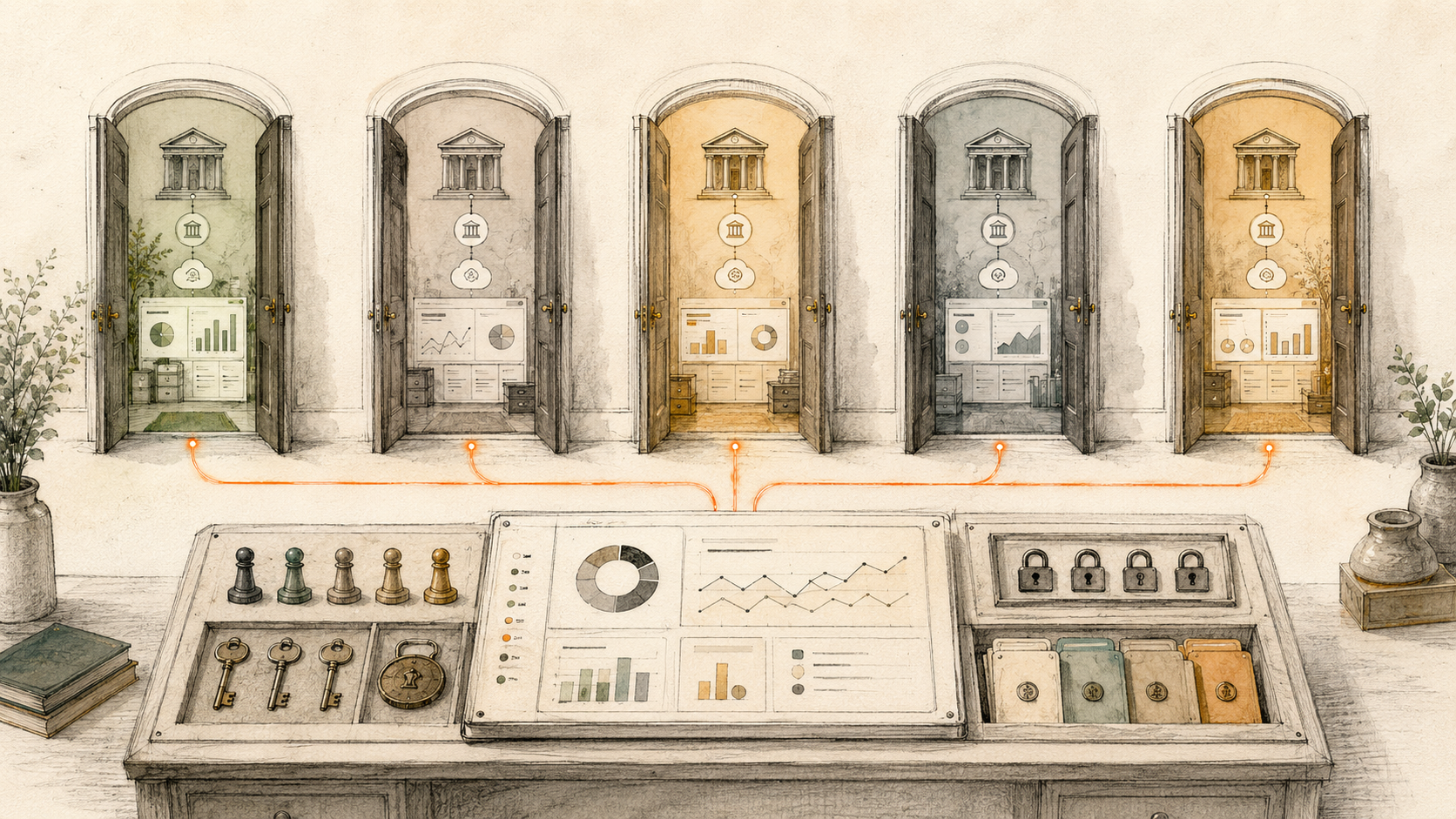
Build an accounting client portal where clients connect banks, firms control resources and each workspace remains isolated.
Read guide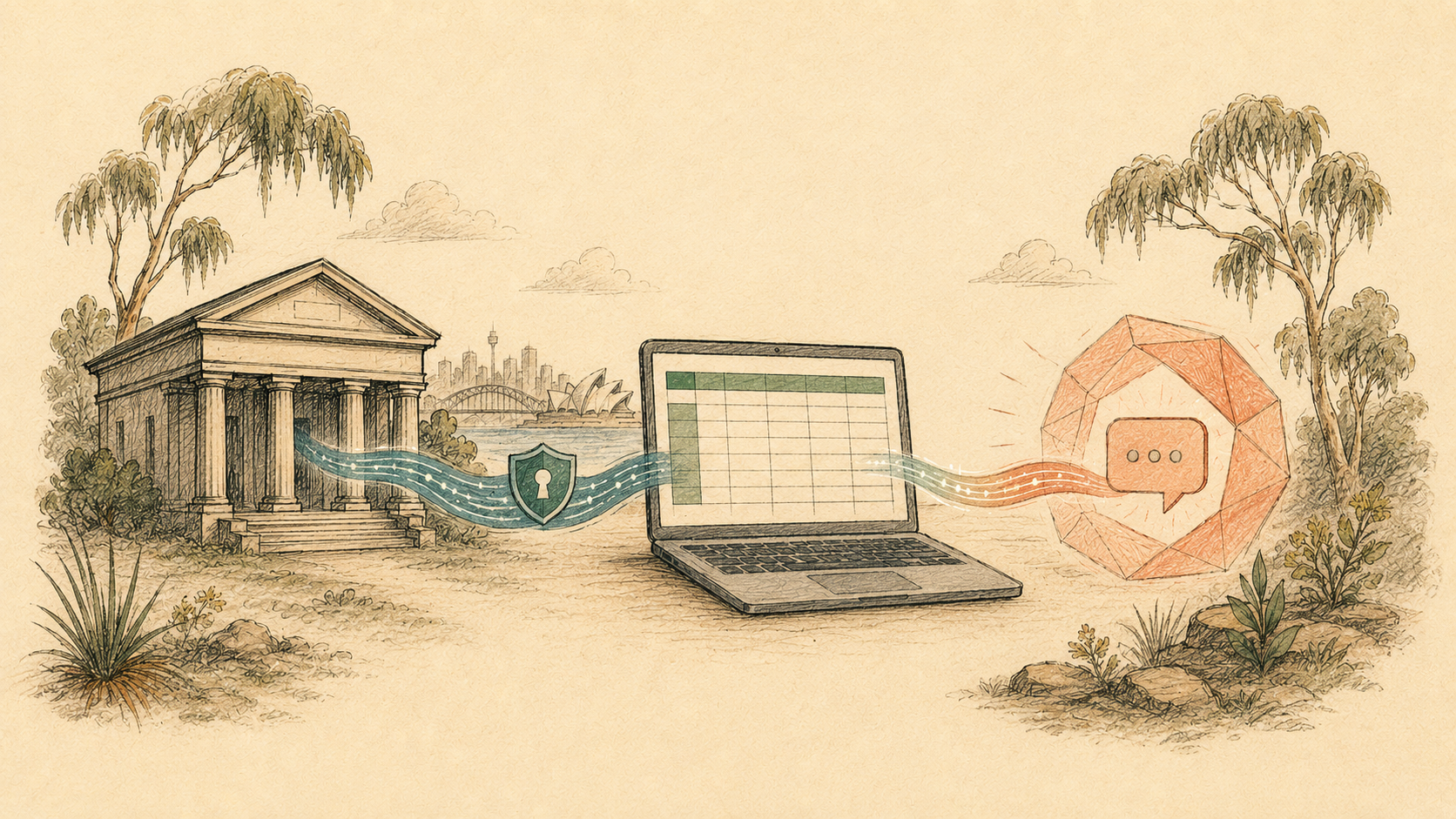
Connect an Australian bank account to Claude through BankSync MCP using regulated CDR consent, a scoped API key and read-only finance tools.
Read guide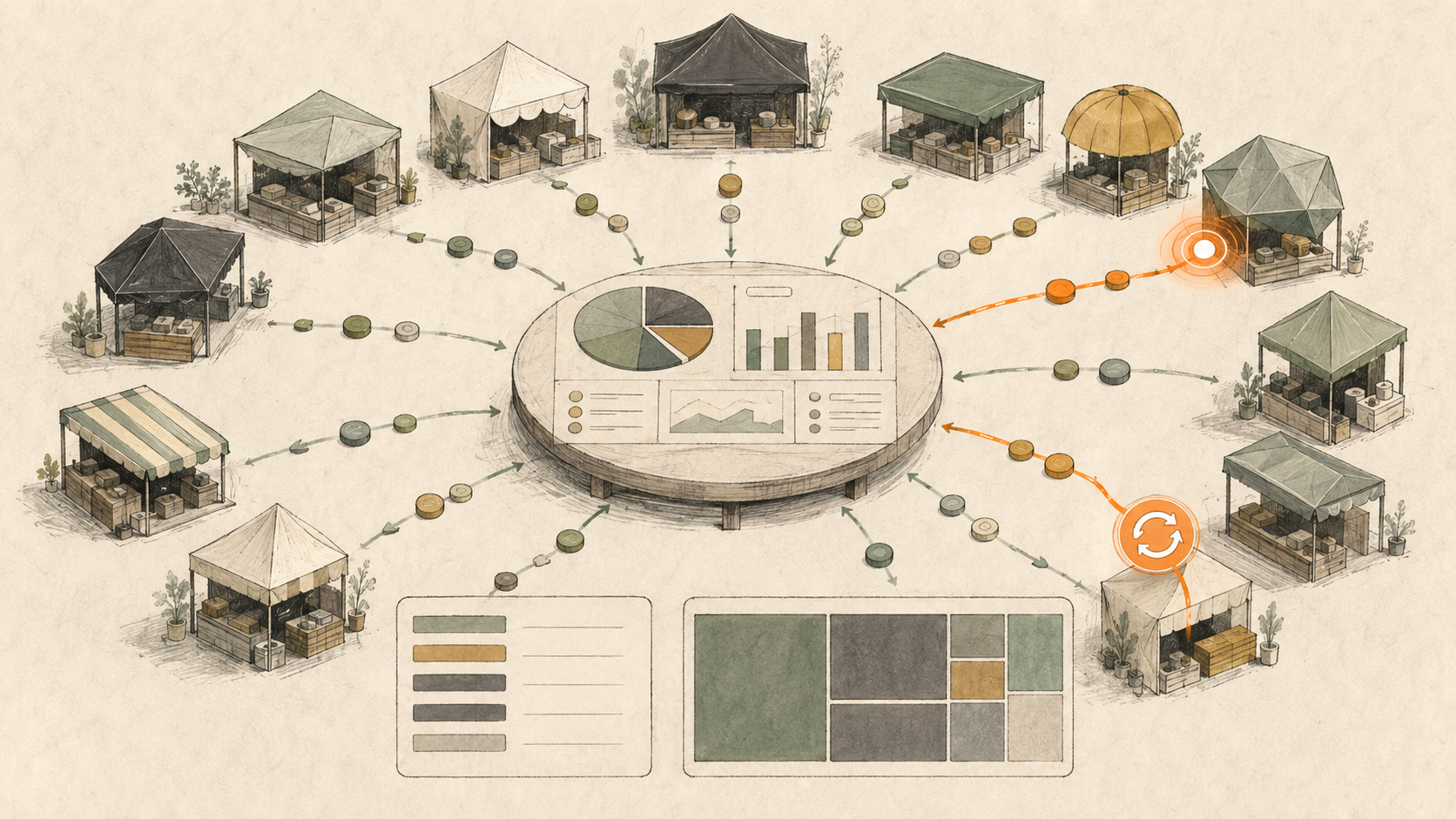
Create a vendor spend dashboard for concentration, recurring costs, budgets, category analysis and drill-down transactions.
Read guide
Connect Canadian chequing, savings, credit and supported investment accounts to Claude through BankSync and Plaid, including CAD/USD account handling.
Read guide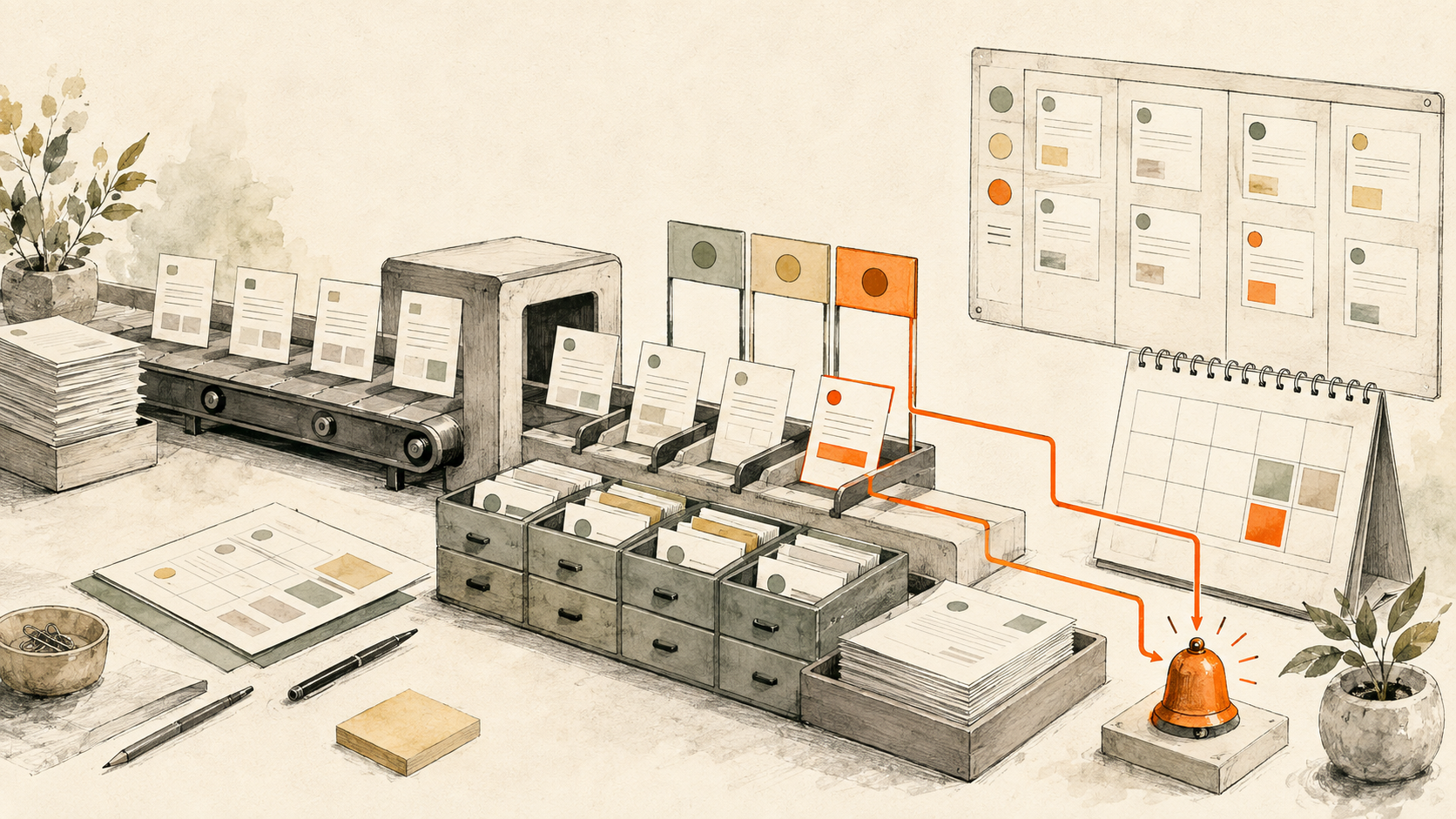
Build an accounts payable and invoice tracker with relational Tables, status views, due-date calendars and bank-payment evidence.
Read guide
Create a budget versus actual dashboard that aligns plan and bank activity by period, category, department and entity.
Read guide