
Sync Resurrection Credit Union - Online Banking to PostgreSQL
BankSync may support connections to Resurrection Credit Union - Online Banking accounts through third-party open banking providers, then route the supported account data shown below to PostgreSQL. Set up takes under 10 minutes and requires no code.
How to sync Resurrection Credit Union - Online Banking to PostgreSQL
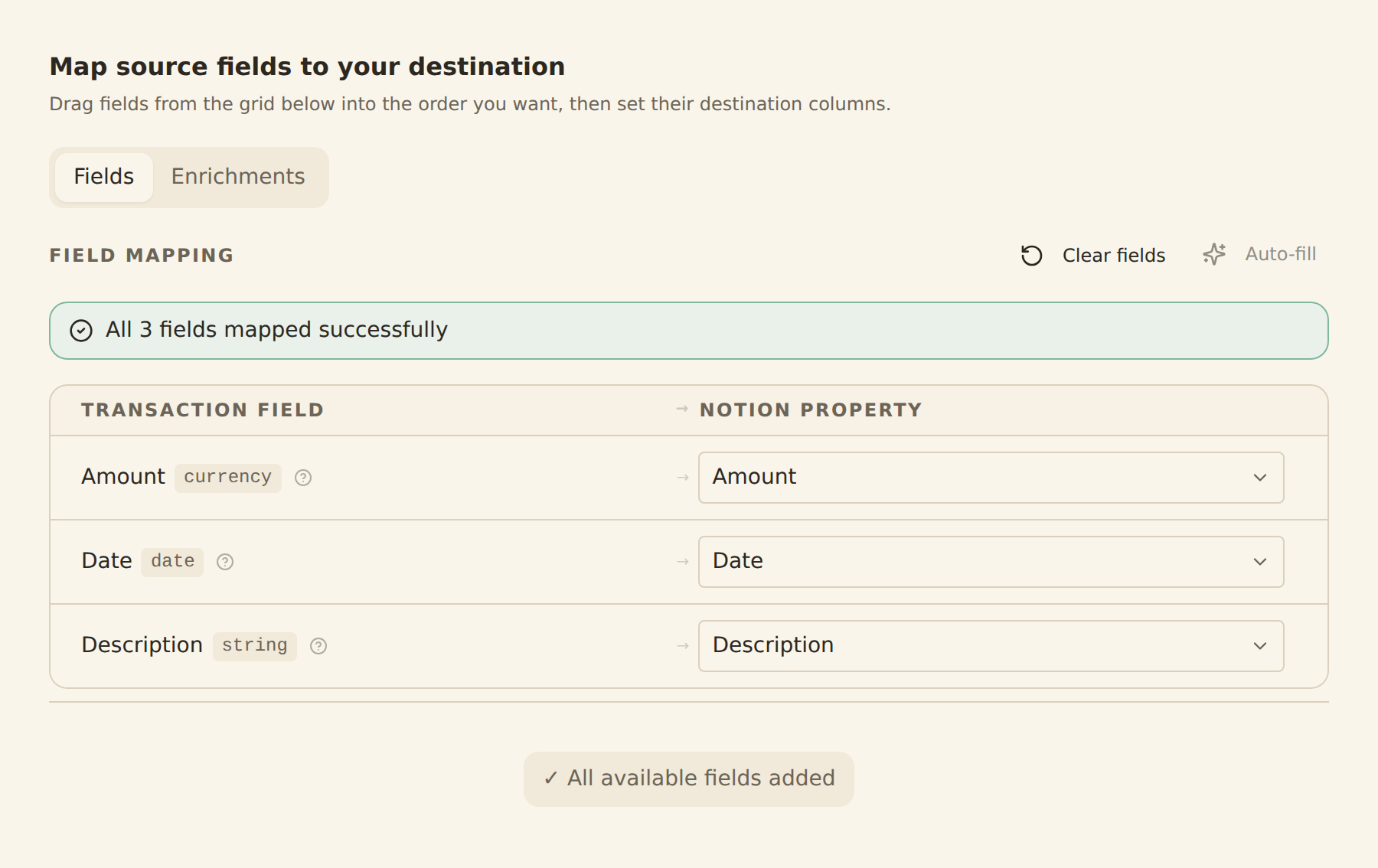
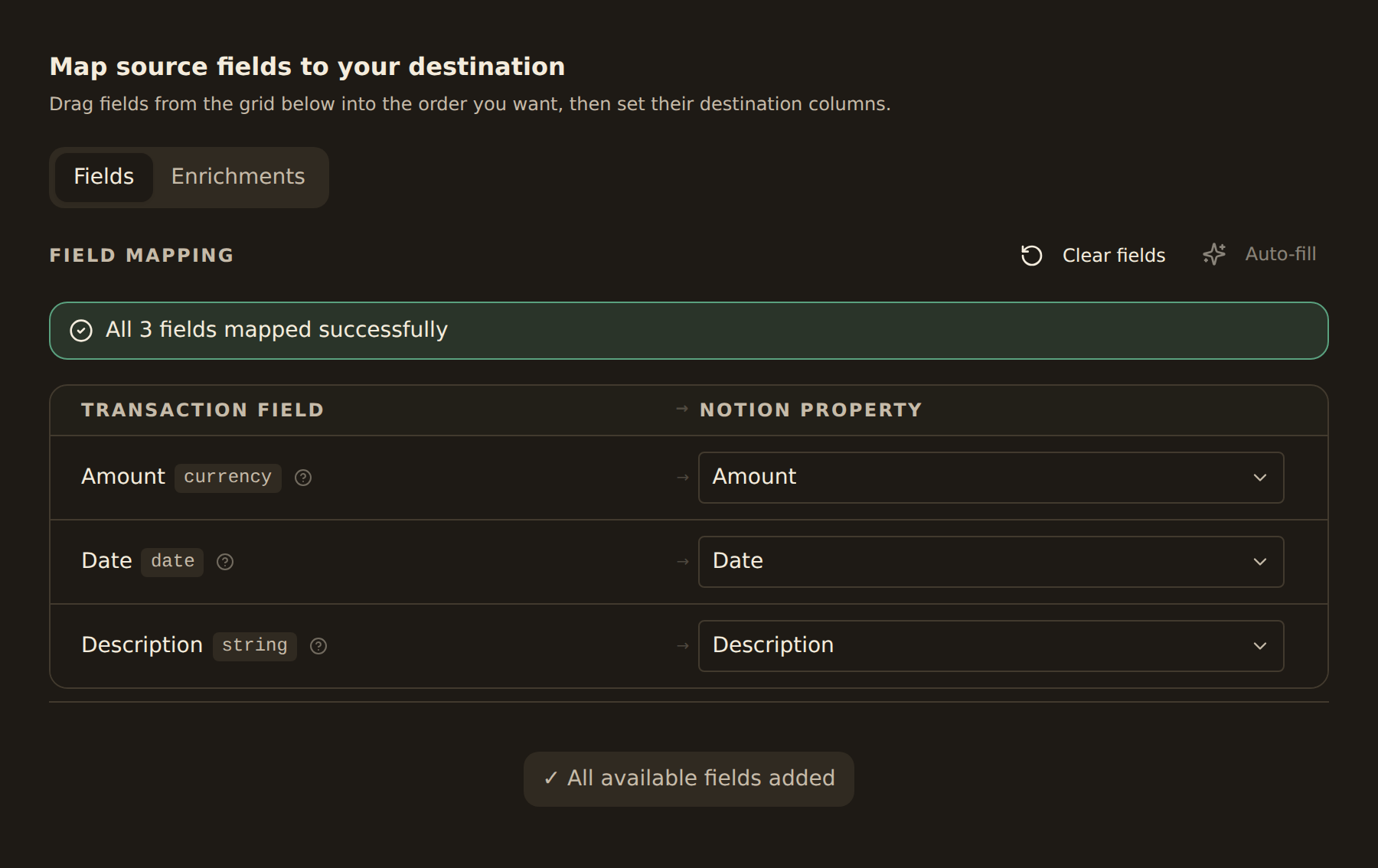
map your columns once
Search for Resurrection Credit Union - Online Banking in BankSync
Sign up for BankSync and, if Resurrection Credit Union - Online Banking is available, link your account through a provider-hosted or bank-hosted authorization flow. BankSync does not store your online banking credentials.
Authorize PostgreSQL
Authorise BankSync to write data to your PostgreSQL workspace. Select the database, table, or sheet where the supported account data should land.
Configure field mappings
Map the supported Resurrection Credit Union - Online Banking fields supplied by the provider to columns in PostgreSQL.
Set your sync schedule
Choose hourly, daily, or weekly automatic syncs based on your plan, or run a manual sync at any time.
What gets synced from Resurrection Credit Union - Online Banking to PostgreSQL
Transactions
Sync available Resurrection Credit Union - Online Banking transaction history and provider-supplied fields such as dates, amounts, descriptions, merchants, and categories.
Balances
Sync current and available balances for supported Resurrection Credit Union - Online Banking accounts.
Holdings
Sync supported investment positions, quantities, and market values from Resurrection Credit Union - Online Banking.
Trades
Sync supported investment trade and activity history from Resurrection Credit Union - Online Banking.
Loans
Sync supported loan balances and provider-supplied liability details from Resurrection Credit Union - Online Banking.
Account Details
Use provider-supplied account names, masked identifiers, and types to organise data in PostgreSQL.
Custom Field Mappings
Map any Resurrection Credit Union - Online Banking field to any column in PostgreSQL — fully configurable.
Sync Schedules
Choose hourly, daily, or weekly automatic syncs based on your plan, or run a manual sync at any time.
Ready to sync Resurrection Credit Union - Online Banking with PostgreSQL?
Start your 14-day free trial. Connect your bank, configure your sync, and have data flowing into PostgreSQL in minutes.
Get Started Freekeep exploring ✦
Sync Resurrection Credit Union - Online Banking somewhere else
The same Resurrection Credit Union - Online Banking connection can feed any of these destinations.
- Sync Resurrection Credit Union - Online Banking to Actual Budget
- Sync Resurrection Credit Union - Online Banking to Airtable
- Sync Resurrection Credit Union - Online Banking to Firefly III
- Sync Resurrection Credit Union - Online Banking to Google Sheets
- Sync Resurrection Credit Union - Online Banking to Home Assistant
- Sync Resurrection Credit Union - Online Banking to Microsoft Excel
- Sync Resurrection Credit Union - Online Banking to MongoDB
- Sync Resurrection Credit Union - Online Banking to MySQL
- Sync Resurrection Credit Union - Online Banking to Notion
- Sync Resurrection Credit Union - Online Banking to Securo
- Sync Resurrection Credit Union - Online Banking to SimpleFIN
- Sync Resurrection Credit Union - Online Banking to Sure
Other banks that sync to PostgreSQL
Institutions in the same market that can also route account data to PostgreSQL.
- Sync EQ Bank to PostgreSQL🇨🇦 Canada
- Sync American Express (Canada) to PostgreSQL🇨🇦 Canada
- Sync RBC Royal Bank to PostgreSQL🇨🇦 Canada
- Sync TD Canada Trust - WebBroker to PostgreSQL🇨🇦 Canada
- Sync TD Canada Trust to PostgreSQL🇨🇦 Canada
- Sync Interactive Brokers - CA to PostgreSQL🇨🇦 Canada
- Sync Desjardins to PostgreSQL🇨🇦 Canada
- Sync Quinte First Credit Union - Online Banking to PostgreSQL🇨🇦 Canada
BankSync is not affiliated with, endorsed by, or an official partner of Resurrection Credit Union - Online Banking or PostgreSQL. All trademarks belong to their respective owners. Bank connections are established through regulated open banking providers.