

Sync Resimac Asset Finance to MySQL
BankSync may support connections to Resimac Asset Finance accounts through third-party open banking providers, then route the supported account data shown below to MySQL. Setup takes about 10 minutes and requires no code.
How to sync Resimac Asset Finance to MySQL
Search for Resimac Asset Finance in BankSync
Sign up for BankSync and, if Resimac Asset Finance is available, link your account through a provider-hosted or bank-hosted authorization flow. BankSync does not store your online banking credentials.
Authorize MySQL
Authorise BankSync to write data to your MySQL workspace. Select the database, table, or sheet where the supported account data should land.
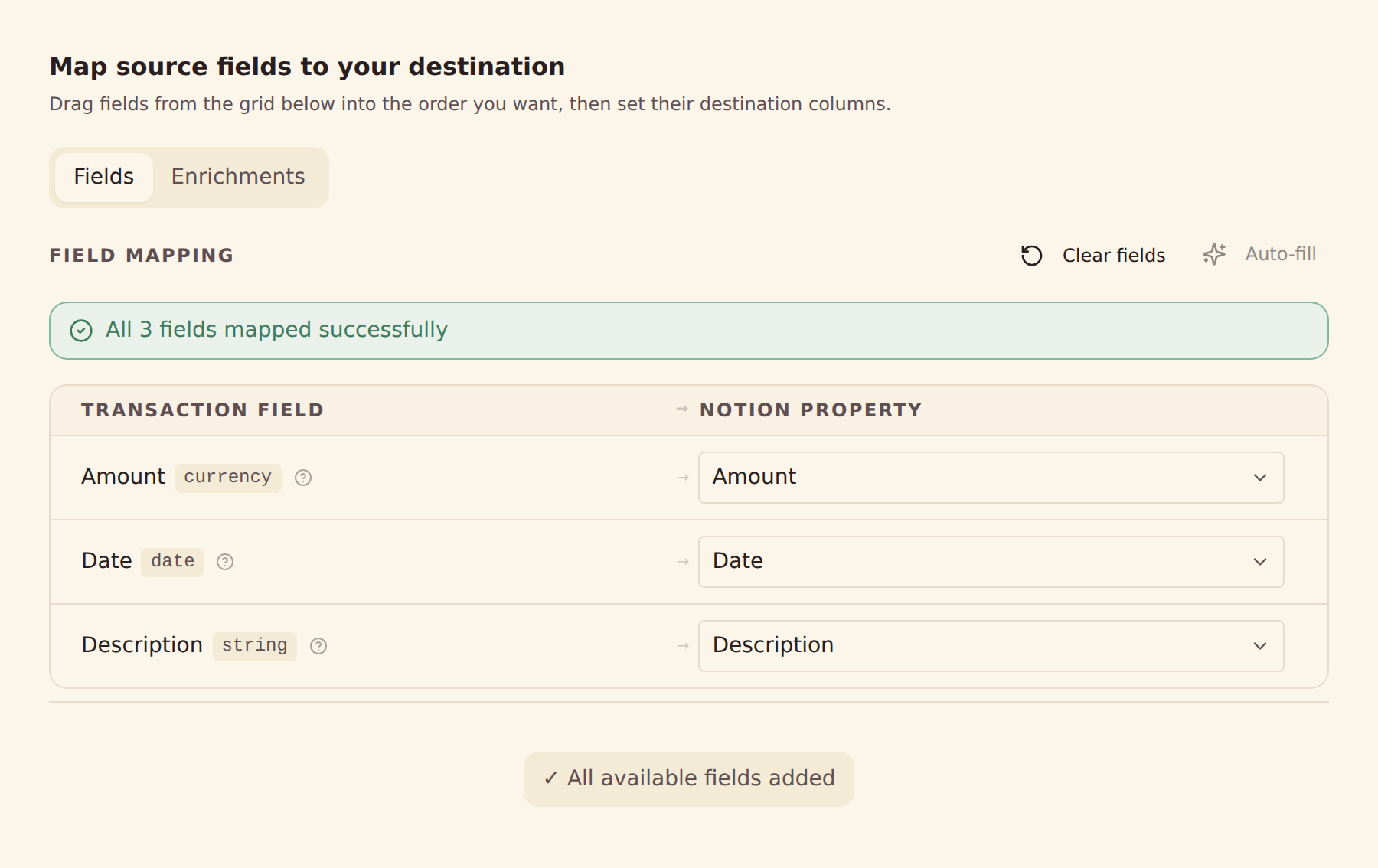
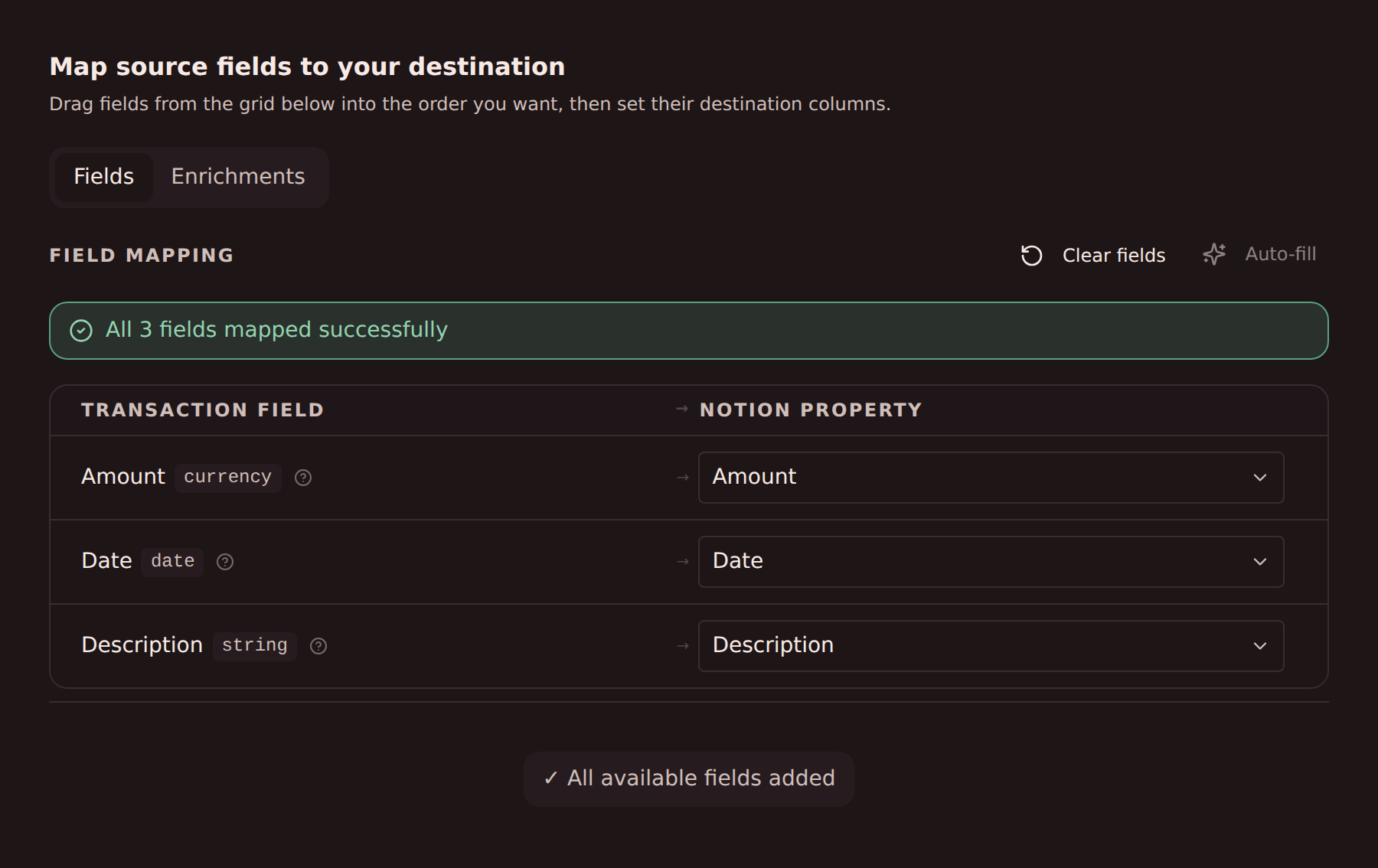
Configure field mappings
Map the supported Resimac Asset Finance fields supplied by the provider to columns in MySQL.
Set your sync schedule
Choose hourly, daily, or weekly automatic syncs based on your plan, or run a manual sync at any time.
What gets synced from Resimac Asset Finance to MySQL
Transactions
Sync available Resimac Asset Finance transaction history and provider-supplied fields such as dates, amounts, descriptions, merchants, and categories.
Balances
Sync current and available balances for supported Resimac Asset Finance accounts.
Account details
Use provider-supplied account names, masked identifiers, and types to organise data in MySQL.
Custom field mappings
Map any Resimac Asset Finance field to any column in MySQL — fully configurable.
Sync schedules
Choose hourly, daily, or weekly automatic syncs based on your plan, or run a manual sync at any time.
Ready to sync Resimac Asset Finance with MySQL?
Start your 14-day free trial. Connect your bank, configure your sync, and have data flowing into MySQL in minutes.
Get Started FreeSync Resimac Asset Finance somewhere else
The same Resimac Asset Finance connection can feed any of these destinations.
- Sync Resimac Asset Finance to Actual Budget
- Sync Resimac Asset Finance to Airtable
- Sync Resimac Asset Finance to Firefly III
- Sync Resimac Asset Finance to Google Sheets
- Sync Resimac Asset Finance to Home Assistant
- Sync Resimac Asset Finance to Microsoft Excel
- Sync Resimac Asset Finance to MongoDB
- Sync Resimac Asset Finance to Notion
- Sync Resimac Asset Finance to PostgreSQL
- Sync Resimac Asset Finance to Securo
- Sync Resimac Asset Finance to SimpleFIN
- Sync Resimac Asset Finance to Sure
Other banks that sync to MySQL
Institutions in the same market that can also route account data to MySQL.
- Sync CommBank to MySQL🇦🇺 Australia
- Sync Westpac to MySQL🇦🇺 Australia
- Sync NATIONAL AUSTRALIA BANK to MySQL🇦🇺 Australia
- Sync ANZ to MySQL🇦🇺 Australia
- Sync Macquarie Bank Limited to MySQL🇦🇺 Australia
- Sync ING BANK (Australia) Ltd to MySQL🇦🇺 Australia
- Sync Up to MySQL🇦🇺 Australia
- Sync Bankwest to MySQL🇦🇺 Australia
BankSync is not affiliated with, endorsed by, or an official partner of Resimac Asset Finance or MySQL. All trademarks belong to their respective owners. Bank connections are established through regulated open banking providers.