

Sync Mortgage Direct to PostgreSQL
BankSync may support connections to Mortgage Direct accounts through third-party open banking providers, then route the supported account data shown below to PostgreSQL. Setup takes about 10 minutes and requires no code.
How to sync Mortgage Direct to PostgreSQL
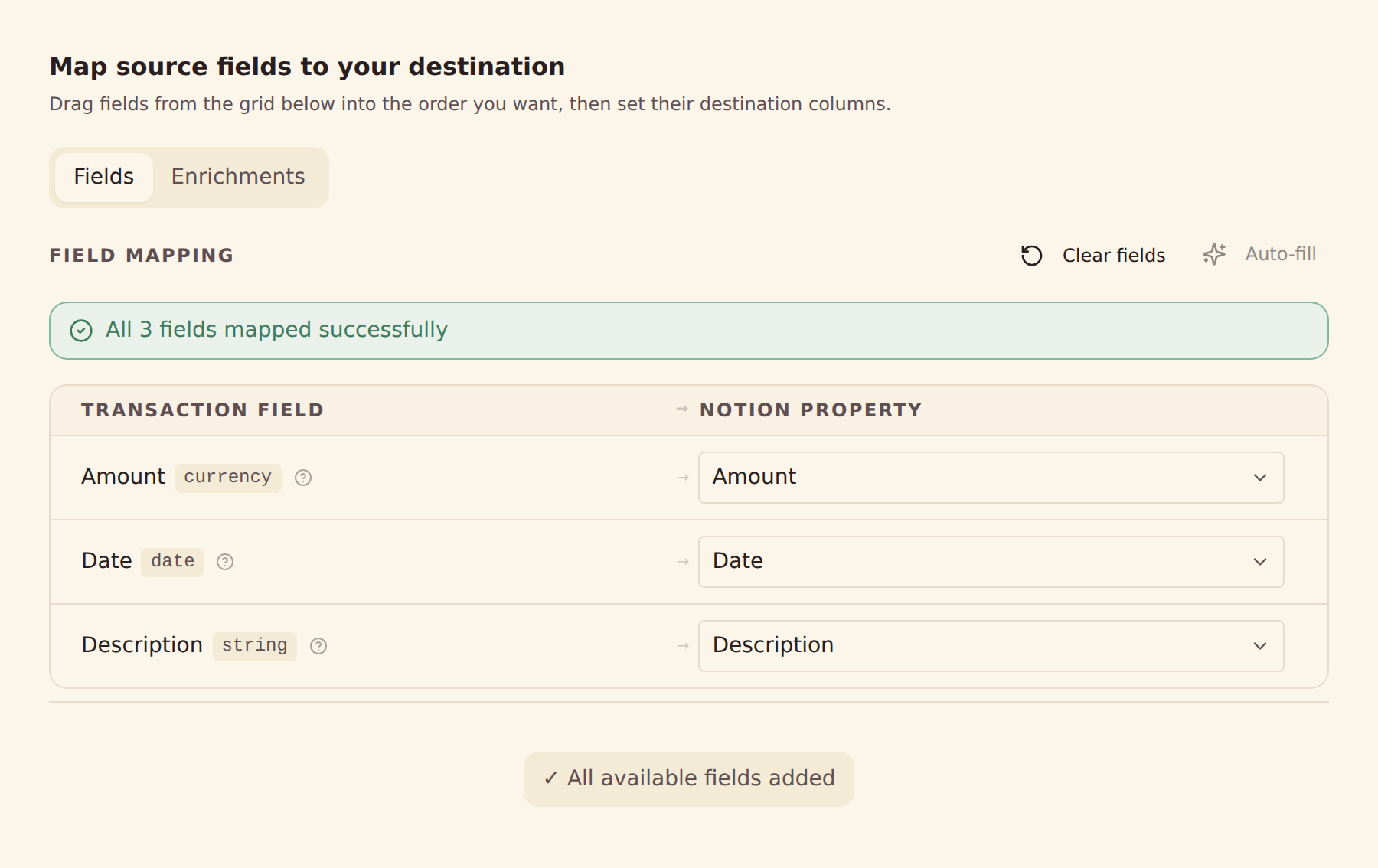
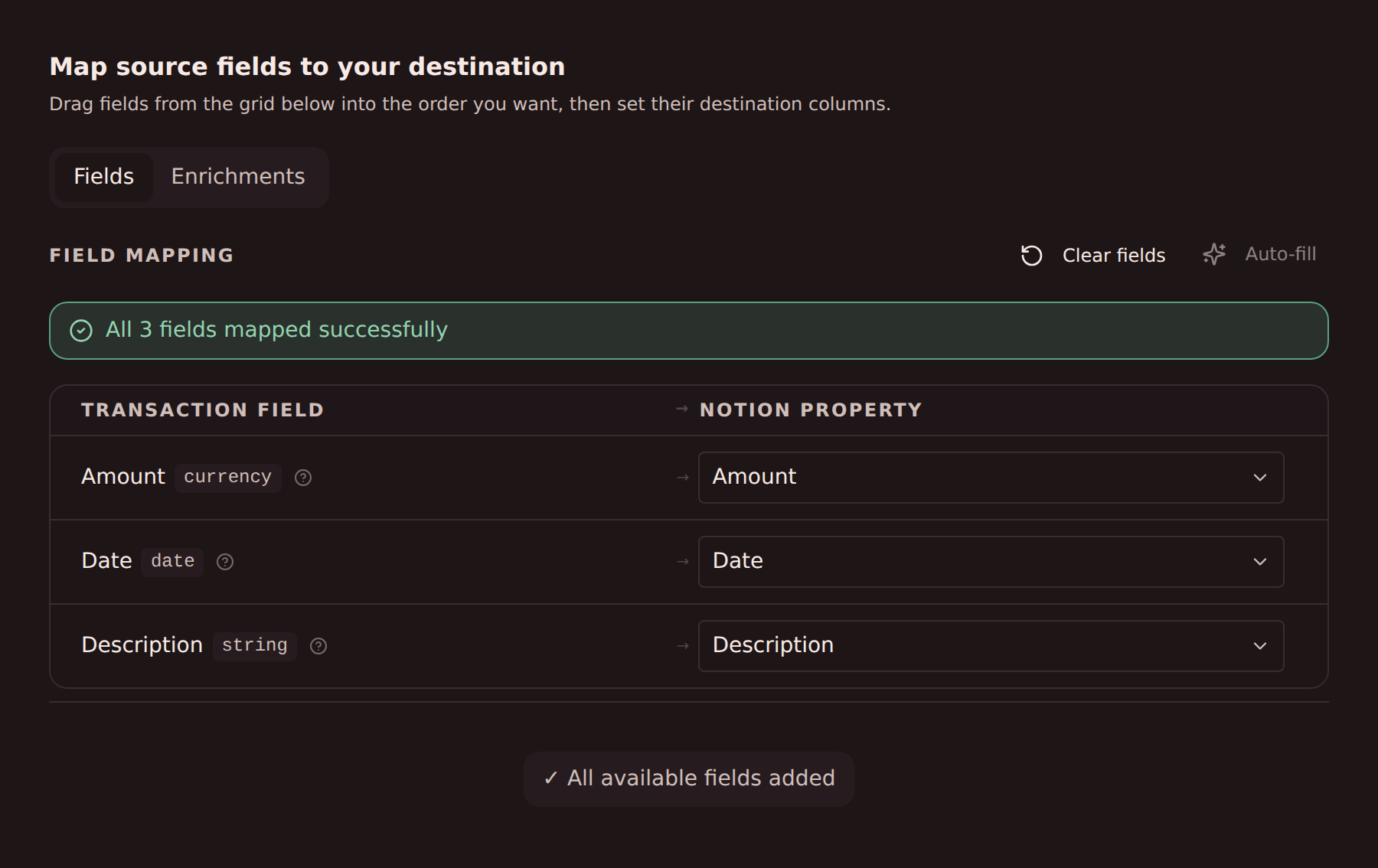
Search for Mortgage Direct in BankSync
Sign up for BankSync and, if Mortgage Direct is available, link your account through a provider-hosted or bank-hosted authorization flow. BankSync does not store your online banking credentials.
Authorize PostgreSQL
Authorise BankSync to write data to your PostgreSQL workspace. Select the database, table, or sheet where the supported account data should land.
Configure field mappings
Map the supported Mortgage Direct fields supplied by the provider to columns in PostgreSQL.
Set your sync schedule
Choose hourly, daily, or weekly automatic syncs based on your plan, or run a manual sync at any time.
What gets synced from Mortgage Direct to PostgreSQL
Transactions
Sync available Mortgage Direct transaction history and provider-supplied fields such as dates, amounts, descriptions, merchants, and categories.
Balances
Sync current and available balances for supported Mortgage Direct accounts.
Account details
Use provider-supplied account names, masked identifiers, and types to organise data in PostgreSQL.
Custom field mappings
Map any Mortgage Direct field to any column in PostgreSQL — fully configurable.
Sync schedules
Choose hourly, daily, or weekly automatic syncs based on your plan, or run a manual sync at any time.
Ready to sync Mortgage Direct with PostgreSQL?
Start your 14-day free trial. Connect your bank, configure your sync, and have data flowing into PostgreSQL in minutes.
Get Started FreeSync Mortgage Direct somewhere else
The same Mortgage Direct connection can feed any of these destinations.
- Sync Mortgage Direct to Actual Budget
- Sync Mortgage Direct to Airtable
- Sync Mortgage Direct to Firefly III
- Sync Mortgage Direct to Google Sheets
- Sync Mortgage Direct to Home Assistant
- Sync Mortgage Direct to Microsoft Excel
- Sync Mortgage Direct to MongoDB
- Sync Mortgage Direct to MySQL
- Sync Mortgage Direct to Notion
- Sync Mortgage Direct to Securo
- Sync Mortgage Direct to SimpleFIN
- Sync Mortgage Direct to Sure
Other banks that sync to PostgreSQL
Institutions in the same market that can also route account data to PostgreSQL.
- Sync CommBank to PostgreSQL🇦🇺 Australia
- Sync Westpac to PostgreSQL🇦🇺 Australia
- Sync NATIONAL AUSTRALIA BANK to PostgreSQL🇦🇺 Australia
- Sync ANZ to PostgreSQL🇦🇺 Australia
- Sync Macquarie Bank Limited to PostgreSQL🇦🇺 Australia
- Sync ING BANK (Australia) Ltd to PostgreSQL🇦🇺 Australia
- Sync Up to PostgreSQL🇦🇺 Australia
- Sync Bankwest to PostgreSQL🇦🇺 Australia
BankSync is not affiliated with, endorsed by, or an official partner of Mortgage Direct or PostgreSQL. All trademarks belong to their respective owners. Bank connections are established through regulated open banking providers.