Every bank and brokerage, one live cash position.
Consolidate cash and positions across every bank and brokerage into one live treasury tracker, then feed the model you already build in Sheets, Excel, or your database. BankSync is pass-through by default, and banking data is never sold or used to train AI.

Every bank and brokerage, one connected position.
Treasury runs on numbers that are already old
Three things every treasury function does the hard way, until they don't.
Cash position by spreadsheet archaeology
Knowing how much cash you actually hold means logging into every bank, exporting balances, and pasting them into a workbook. By the time it adds up, a wire has cleared and the number is already stale.
Forecasts built on last week’s numbers
Liquidity forecasts and runway models are only as good as their inputs. When the inputs are hand-keyed weekly, the forecast drifts, and nobody quite trusts the bottom line.
A data trail you can’t fully account for
The board, your auditors, or a security review want to know exactly where balances come from and where they go. With screen-scraping aggregators that quietly retain and monetize data, that answer is uncomfortable.
Built so the security review is the easy part
Data flows from your bank to your tools. Full banking datasets are stored only where you enable a managed feature that requires storage; otherwise we keep operational metadata to run and audit syncs.
We charge a subscription for the service, not for your data. We don’t sell, analyze, or monetize your financial information in any way.
Your banking data is never used to train AI models. When you point your own AI at it, nothing leaves your workspace to train a model.
The treasury close, in five steps
What it looks like to go from Monday-morning spreadsheet archaeology to a tracker that keeps itself current.
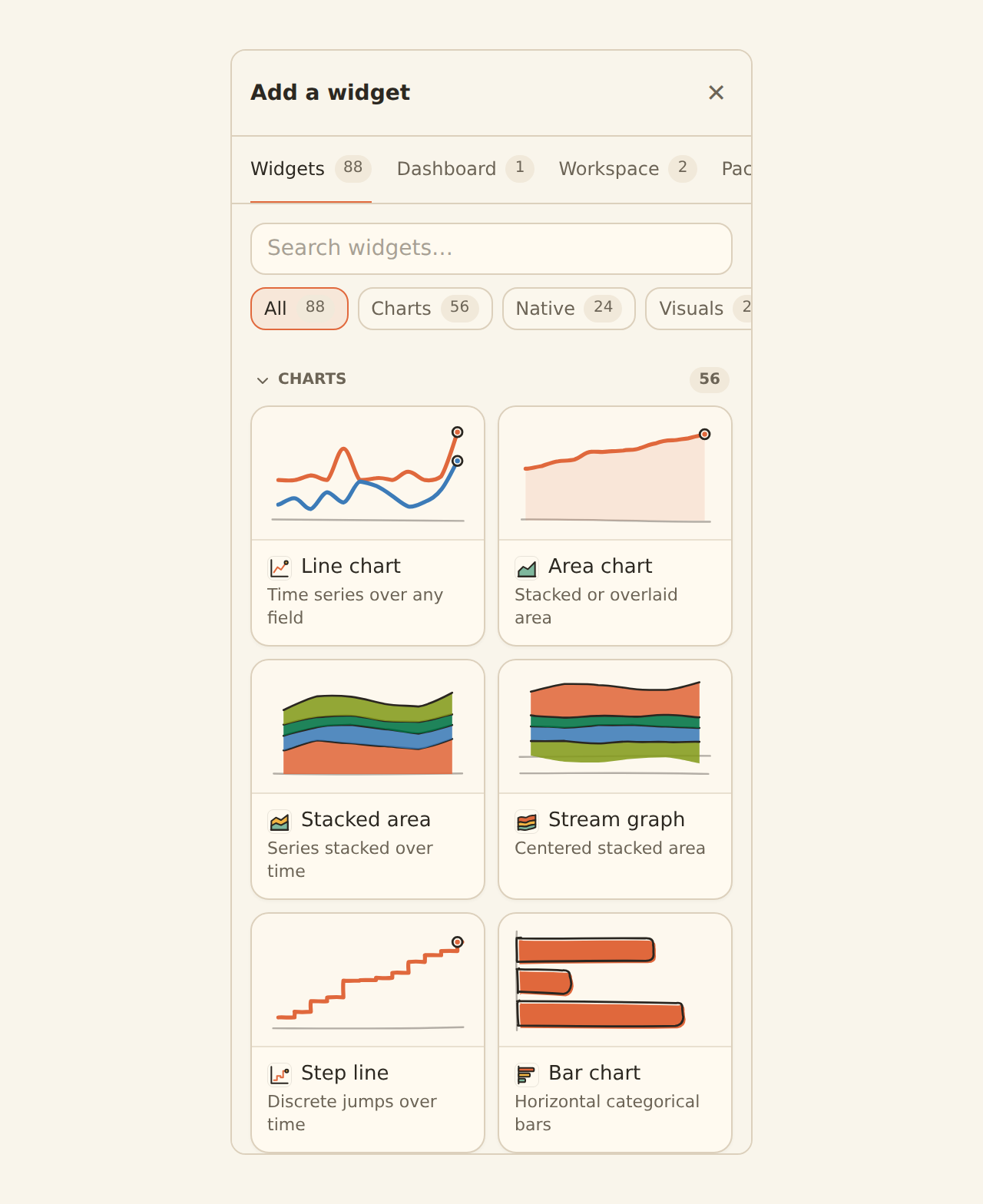
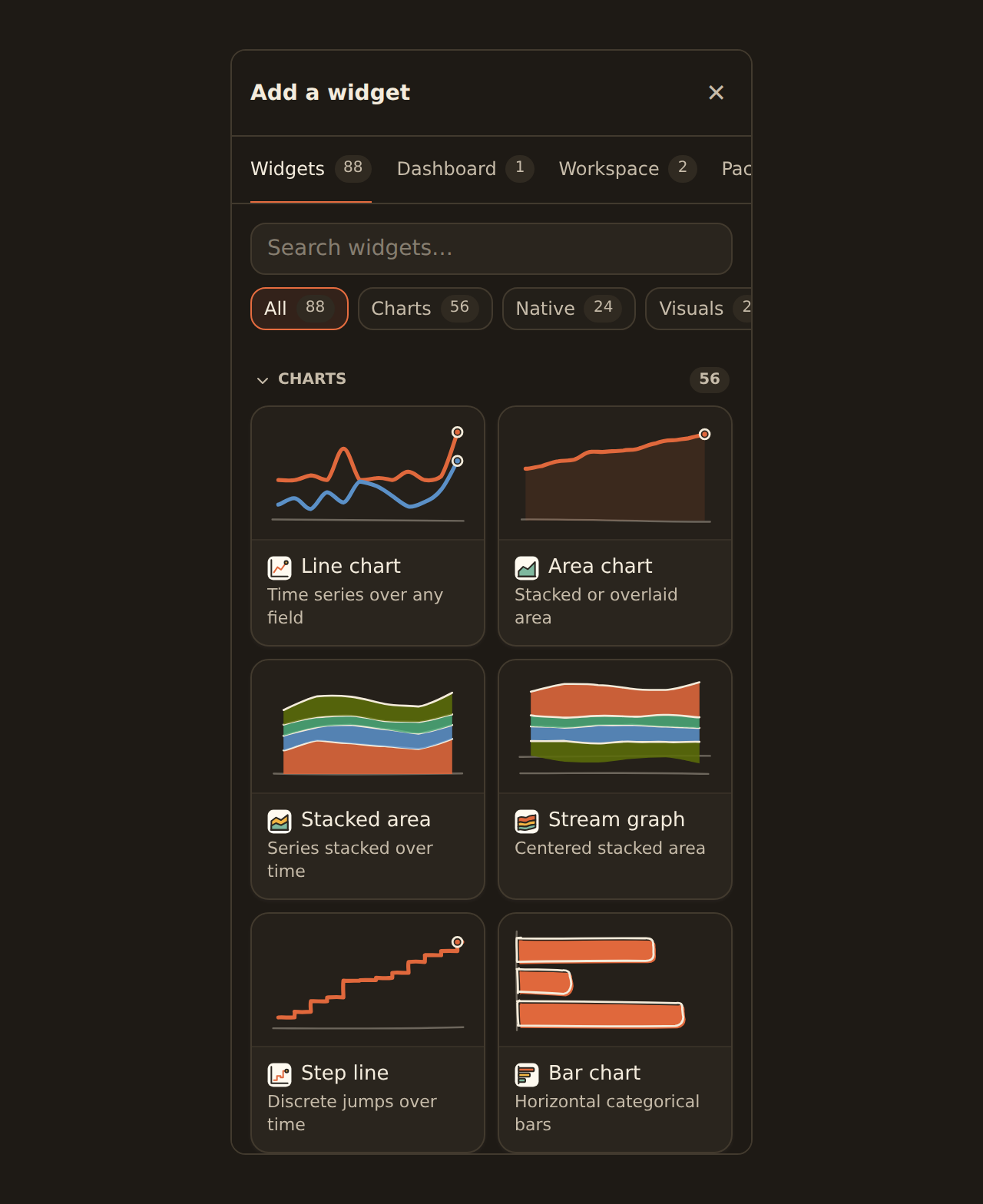
the consolidated cash position
Connect every account
Add each bank, card, and brokerage once via regulated open banking. Credentials never touch us. You authorize through each institution’s own consent screen via open banking, CDR, or PSD2.
Classify by purpose
Tag accounts as operating, reserve, invested, or restricted so the cash position and forecast categories build themselves — rulesets and a pasted lookup table do the labelling, and the transfer matcher pairs sweeps between your own accounts so an internal move never reads as inflow and outflow. New activity lands already labeled.
Pipe it into your tracker
Point feeds at the Google Sheet, Excel workbook, or database your treasury tracker reads from, so balances and positions arrive where your formulas already expect them.
Forecast on fresh inputs
With supported balances refreshing hourly, daily, or weekly, liquidity forecasts and runway models no longer depend on last week’s export.
Report with confidence
Board packs, LP updates, and auditor requests pull from one consolidated, traceable source, so the cash position you present is the cash position you hold.
The pipeline behind a treasury you can trust
The infrastructure that turns a dozen banking portals into one current, traceable cash position.
One live cash position
Every operating account, reserve, money-market, and brokerage balance consolidated into a single current figure, refreshed on a schedule instead of reconstructed by hand each Monday.
Feeds the model you already trust
Push balances, transactions, holdings, and cost basis straight into Google Sheets, Excel, Notion, Airtable, or your own database. Your treasury and forecast models keep working; they just stop going stale.
Positions, not just cash
Holdings, cost basis, gains and losses, and loan balances flow through alongside transactions, so invested cash, sweeps, and debt all roll into the same liquidity picture.
Pass-through by default, never sold, never trains AI
Banking data flows from your bank to your tools. Full banking datasets are stored only where you enable a managed feature that requires storage, and they are never sold or used to train AI models.
Auditable by design
Regulated open banking means a clean consent trail per institution, with operational metadata and audit logs you can show a board or an auditor. Revoke any connection from your bank at any time.
Ask your own AI the cash question
Point Claude or ChatGPT at your workspace with one API key over a secure connection (MCP). Ask for blended cash, burn, or runway and get it from your live data, none of which is sent off to train a model.
Watchers on the money and the pipeline
Threshold alerts when a balance or a month’s outflow crosses your line, a fee ledger that catches bank charges creeping upward, anomaly flags on unusual counterparties and payment bursts, and a feed monitor that tells you when a bank quietly stops delivering data — before it shows up as a wrong cash position.
One use case, several sharp entry points treasury pages
Pick the surface that matches how your team already works. BankSync is the data layer underneath.
Google Sheets treasury
Run cash position, entity rollups, and 13-week forecasts in the spreadsheet your team already shares.
Open page →ExcelExcel treasury model
Keep the controlled workbook and automate the bank, brokerage, and loan source tabs feeding it.
Open page →CashMulti-bank cash position
Consolidate cash across banks, brokerages, cards, loans, and entities into one current view.
Open page →ForecastCash forecasting bank feeds
Automate the actual balances and cash movement behind your forecast and variance tabs.
Open page →Template13-week forecast template
Start with a clean forecast shape, then connect BankSync when you are ready to make actuals live.
Open page →APITreasury data API
Send balances, transactions, holdings, and sync status into internal tools, databases, webhooks, or MCP.
Open page →Treasury at scale runs on Enterprise
Unlimited connections, custom roles, SSO/SAML, audit logs, a custom DPA, and NDA/MNDA on vendor-standard terms, with a dedicated success team and custom volume pricing.
Explore EnterpriseTreasury management FAQs
What counts as a treasury tracker here?
Is our banking data stored, sold, or used to train AI?
Can it keep my Google Sheets or Excel treasury model current?
How fresh are the balances?
Can we consolidate multiple entities and currencies?
Will brokerage and treasury investment accounts work?
Which banks and regions are covered?
Is this an Enterprise feature?
Get to one live cash position
Connect your first account in five minutes, or talk to sales about the Enterprise plan. BankSync is pass-through by default, and banking data is never sold or used to train AI.