
Use Amazon Q with E*Trade
BankSync's MCP server can let Amazon Q query supported E*Trade account data that you have connected through BankSync and authorized for API access. Query your finances in natural language without spreadsheets or exports.
BankSync is not affiliated with, endorsed by, sponsored by, or partnered with E*Trade or Amazon Q. Names are used only to describe potential account-data coverage and client compatibility.
How to connect Amazon Q to E*Trade
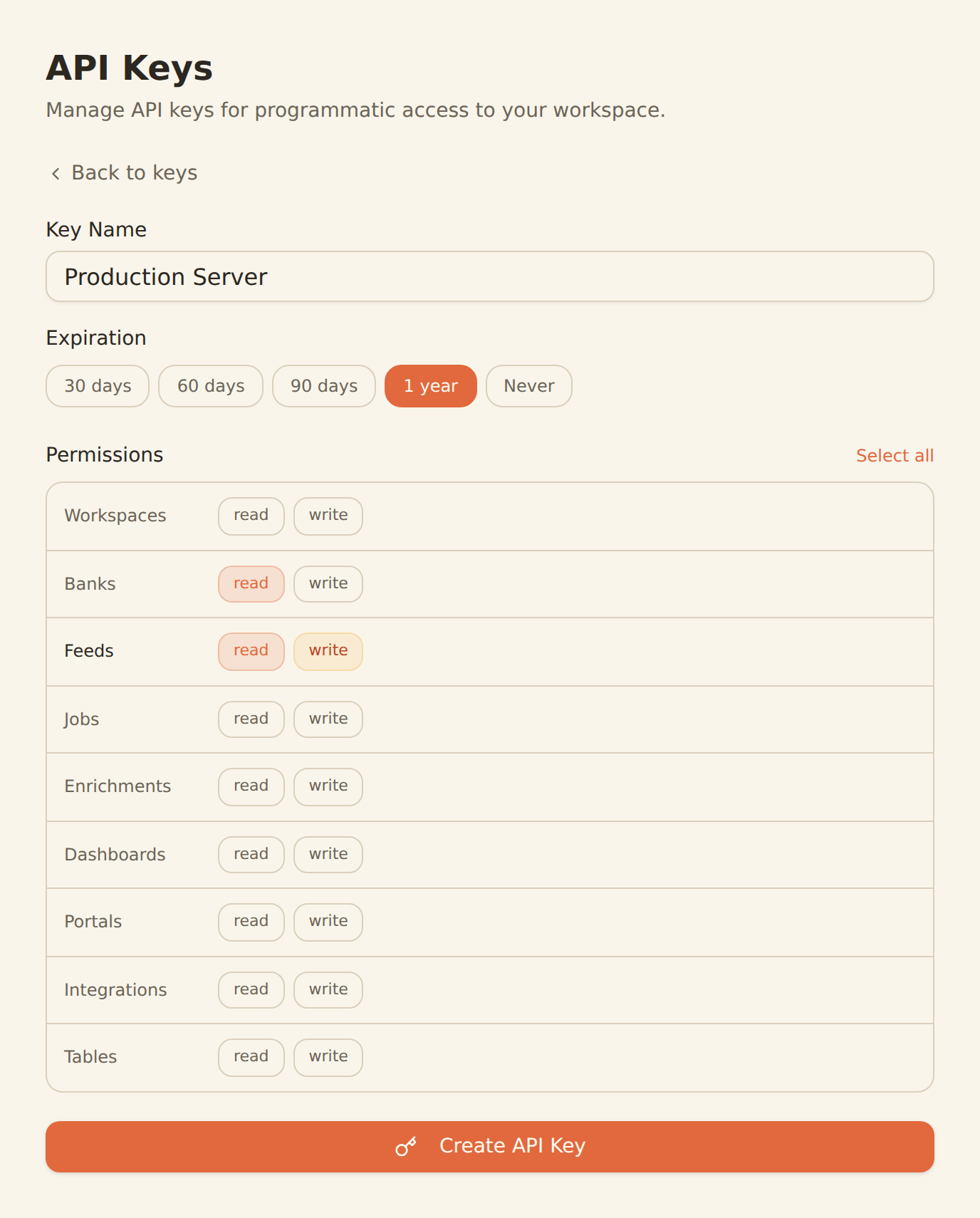
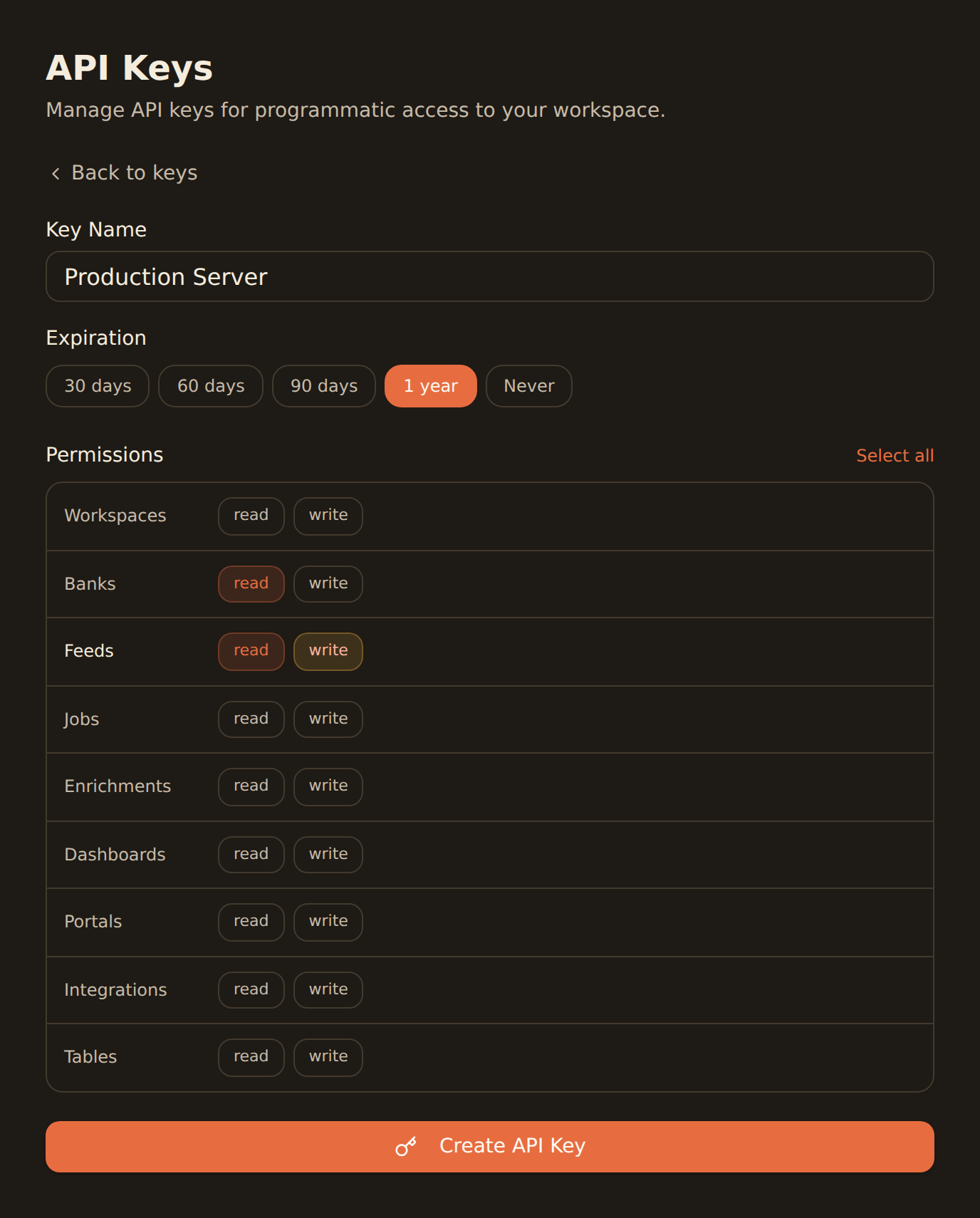
one key, every agent
Search for E*Trade in BankSync
Sign up for BankSync and, if E*Trade is available, link your account through a provider-hosted or bank-hosted authorization flow.
Generate an API key
Create an API key from the Developers section of your BankSync workspace.
Configure Amazon Q
Add the BankSync MCP server to Amazon Q using your API key. Follow our Amazon Q setup guide for step-by-step instructions.
Start querying
Ask Amazon Q about supported E*Trade transactions, balances, and more using natural language.
Amazon Q MCP Configuration
Add this configuration to let Amazon Q query supported E*Trade account data through BankSync.
{
  "mcpServers": {
    "banksync": {
      "url": "https://mcp.banksync.io",
      "headers": {
        "X-API-Key": "bsk_your_key_here"
      }
    }
  }
}
What Amazon Q can access from E*Trade
Accounts
List the E*Trade accounts connected through BankSync and visible to the API key scopes you grant.
Balances
Get current and available balances for supported E*Trade accounts.
Holdings
View supported investment positions, quantities, and market values from E*Trade.
Trades
Access supported investment trade and activity history from E*Trade.
Orders
Access supported open and pending investment orders from E*Trade.
Ready to connect Amazon Q to E*Trade?
Start your 14-day free trial. Connect your bank, generate an API key, and start querying data in minutes.
BankSync is not affiliated with, endorsed by, or an official partner of Amazon Q or E*Trade. All product names and trademarks are the property of their respective owners. Bank connections are established through regulated open banking providers.